In this short report, I will introduce the Sami languages (referred to collectively as Sami), where they are spoken, and the number of speakers they have. I will also be outlining the reasons for Sami’s decline and the policies in place to help preserve the Sami languages.
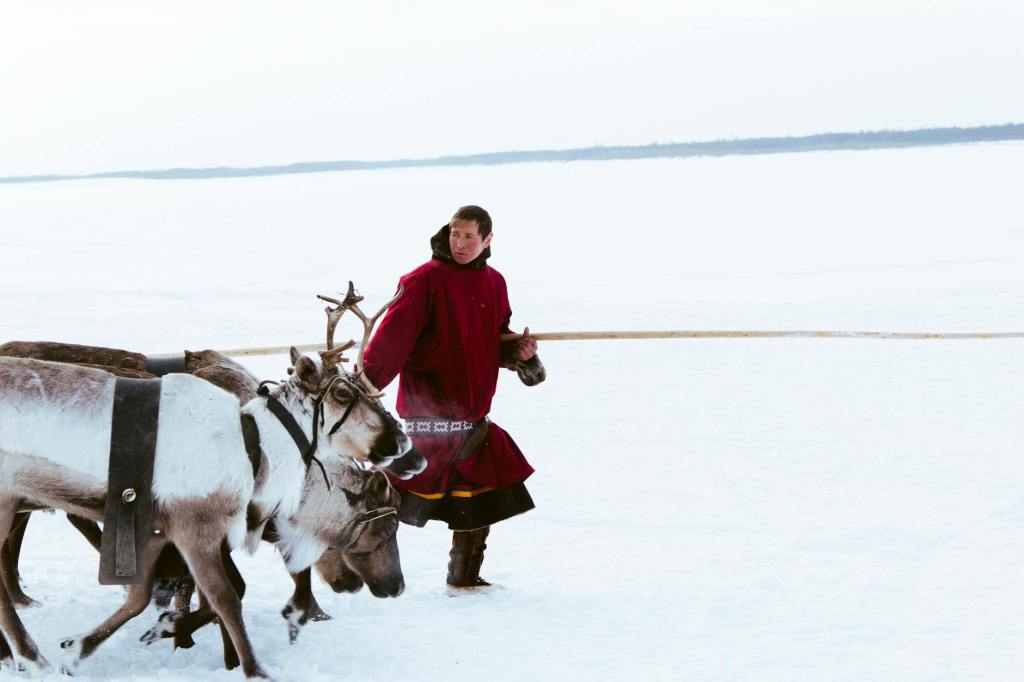
An Introduction to Sami
The Sami languages refer to a group of 10 distinguished Finno-Ugric languages (or arguably dialects) spoken by people in Norway, Sweden, Finland, and Russia (Hammine, 2016). There are approximately 25-35,000 speakers of the Sami languages (Magga & Skutnabb-Kangas, 2010); it is estimated that speakers of Sami make up only half the Sami population (Hammine, 2016). This illustrates the endangered status of the Sami languages as stated by the UNESCO Atlas of the World’s Languages in Danger (Hammine, 2016).
For the Sami people, being able to speak the language is imperative to be able to influence decisions made within the Sami community. A significant aspect of Sami life and the ongoing protection of the Sami culture is to be able to vote in the Sami government; in Finland and Sweden, an individual must speak or have spoken Sami in the home or have a parent or grandparent who has spoken Sami to be eligible to vote (Hammine, 2016). Therefore, continual preservation of Sami culture and rights requires Sami speakers.
What are the main reasons for the languages’ decline?
There are many reasons for the decline of the Sami languages, this includes a perception of inferior status, a highly dispersed minority population, a lack of language learning tools, suppressive language policies, and other outside influences.
Since the 1600s, assimilation of Sami communities into majority groups has been taking place; in the process, cultural and religious practices have taken on the majority traditions. For example, the result of Christian missionaries present during this time contributed to many Sami communities adopting Christianity (Hammine, 2016).

Similarly, societal pressures have encouraged the adoption of the majority languages over the Sami mother tongues, resulting in only an estimated half of the Sami people speaking Sami (Hammine, 2016). In Sweden and Finland during the mid-1800s, influence from Darwinist ideas resulted in government policies aimed to assimilate the Sami people into the majority population across one generation (Magga & Skutnabb-Kangas, 2010). Schooling for Sami children was to be only conducted in the national language (Swedish or Finnish) and children were prohibited from speaking Sami to one another (Hammine, 2016).
Consequently, intergenerational transfer of the Sami languages has reduced significantly due to the associated stigma of speaking Sami. For example, in some coastal areas in Norway the Sami community’s own negative outlook on the status of their language meant that some Sami parents chose not to speak the language in the home (Magga & Skutnabb-Kangas, 2010).
Have there been any attempts to preserve or revitalise the language?
There have been several attempts to preserve the Sami languages and/or projects that have resulted in positive impacts for Sami.
Despite missionaries in the 1600s-1700s converting many Sami religious practices into Christian ones, their presence did have positive effects for Sami by providing religious texts and education through its medium (Magga & Skutnabb-Kangas, 2010; Hammine, 2016). This thereby promoted intergenerational transfer and the general use of Sami within their societies where the national language was becoming increasingly prevalent. However, the prejudices at the time prevented further preservation (Hammine, 2016).
However, in response to the rising social movement advocating for Sami rights, policies determined by the Nordic states during the 1970s and onwards aimed to preserve the Sami languages and communities . These policies were successful in creating worldwide recognition for the languages, developing them, and maintaining the number of speakers (Magga & Skutnabb-Kangas, 2010).
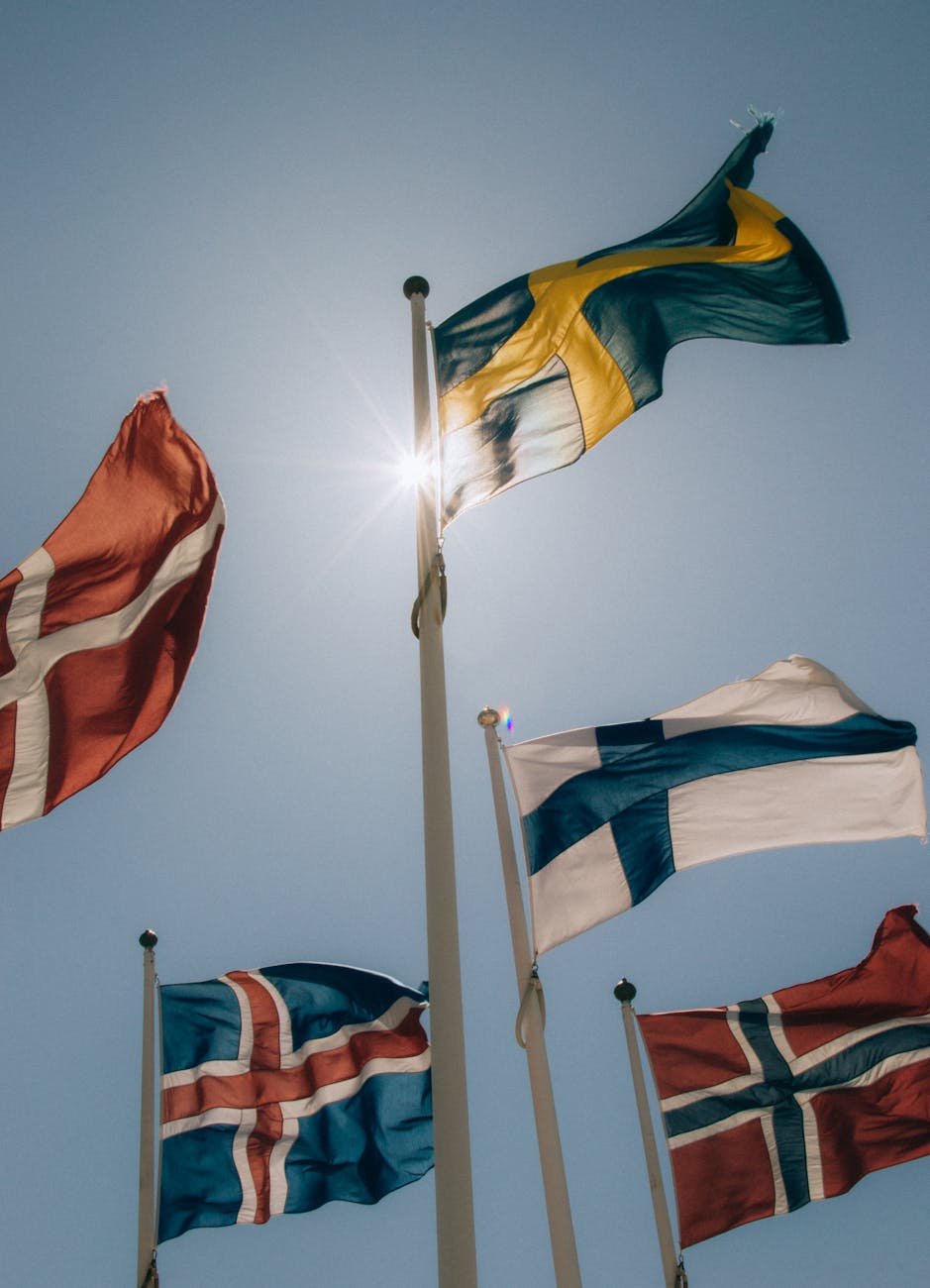
For example, in Sweden, the Sami Language Act (2003) protected the rights of the Sami languages in education, on signs, and in Media (Hammine, 2016). It safeguards the languages North Sami, Inari Sami, and Skolt Sami and in 1983, the revised Sami School Law established the right for Sami children to attend Sami schools rather than conventional ones (Hammine, 2016). Similarly in Finland in 1983, an act entitling Sami children to be instructed in Sami was also enforced (Hammine, 2016).
Despite these efforts, the future of Sami is not promising. Several Sami schools have already closed and, although students in mainstream schools can choose to study Sami, students are discouraged due to the out-of-hours lesson times and lack of academic credits.
Moreover, literacy rates of Sami (even at Sami schools) are poor compared to the national languages due to their reduced status and usage in the wider community (Lieuwe & Outakoski, 2020). Indeed, many of the smaller Sami languages do not benefit at all from such policies as they are excluded from government reports and thereby continue to decline (Hammine, 2016). Furthermore, Sami educational materials are often outdated, but to continue their creation, Sami literacy rates will need to be prevented from decreasing further (Lieuwe & Outakoski, 2020).
References
Hammine, M. (2016). Sami languages in education in Sweden and Finland.
Lieuwe, H. J., & Outakoski, H. (2020). Sámi: The Sámi Language in Education in Sweden (2nd ed., Regional Dossier Series) (Sweden, Mercator European Research Centre on Multilingualism and Language Learning, Fryske Akademy (Netherlands)). Netherlands: Mercator European Research Centre on Multilingualism and Language Learning.
Magga, O. H., & Skutnabb-Kangas, T. (2010, March 26). The Saami languages: The present and the future. Retrieved November 12, 2022, from https://www.culturalsurvival.org/publications/cultural-survival-quarterly/saami-languages-present-and-future
 Waygaze
Leave a comment